Systems
The Violin Whisperers
The makers who hear the instrument before it exists
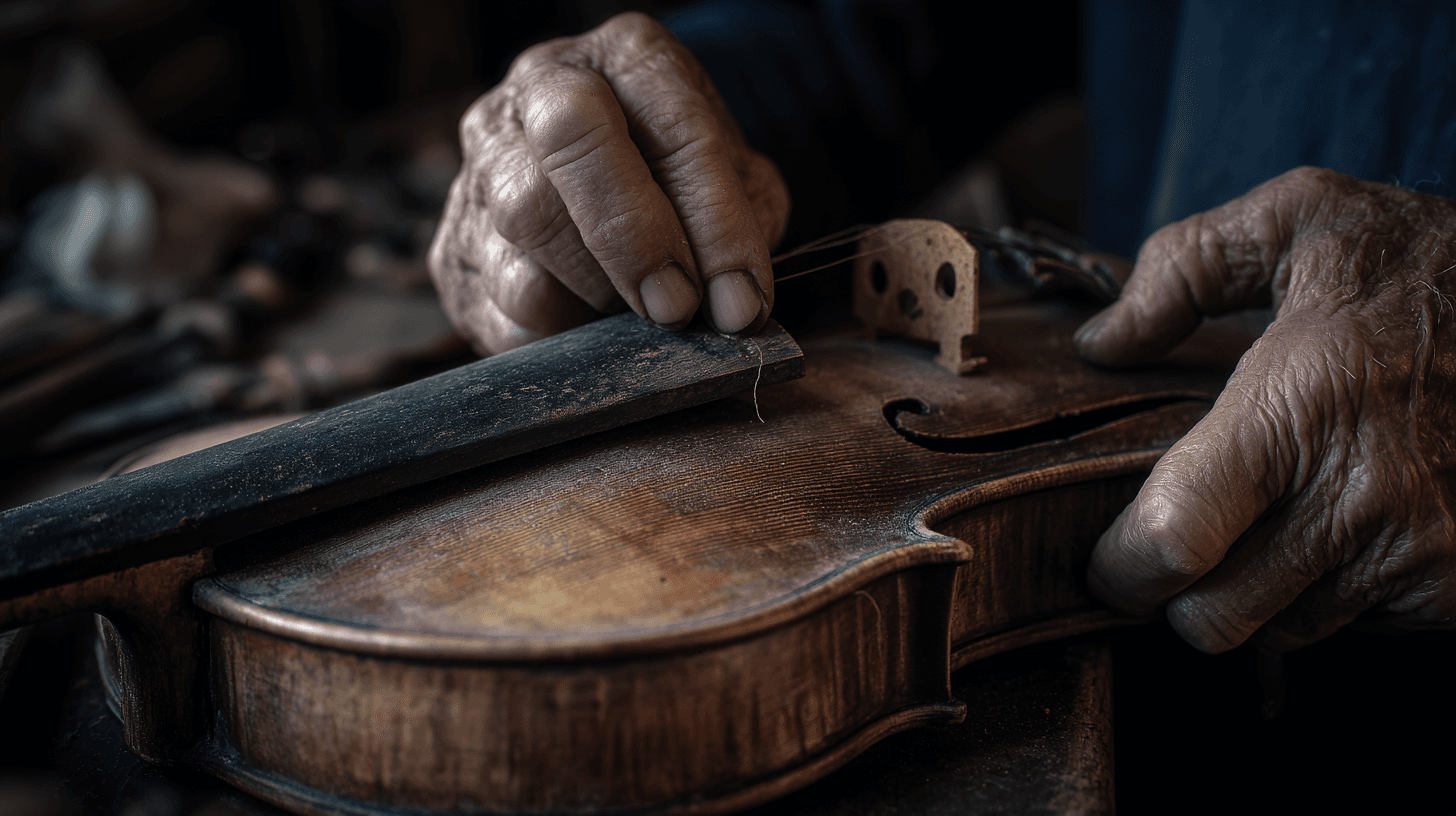
The restorer holds the violin to the light, examining the crack that runs along the top. Three hundred years old. Still playable. If the repair is right.
Violin restoration combines woodworking, chemistry, acoustics, and history. The restorer must understand how the instrument was made to repair it without destroying what makes it valuable.
The Instruments
Fine violins increase in value over time. A Stradivarius that sold for pounds in 1700 sells for millions today. The instruments are worth preserving.
But instruments that are played need maintenance. Strings and bridges wear. Cracks develop. Sound posts shift. The restorer keeps them playable.
The Wood
Violin wood was selected and seasoned centuries ago. The restorer must match wood — species, density, grain — when replacing parts.
The wood has changed over centuries. It has dried, aged, developed character. New wood behaves differently. The restorer accounts for the difference.
The Varnish
Original varnish protects the wood and affects tone. The exact formulations used by Stradivari and other makers remain debated.
Retouching varnish requires matching color and texture while using compatible materials. The wrong varnish damages instruments. The restorer must know chemistry.
The Acoustics
Every repair affects sound. Adding material changes resonance. Removing material changes it differently. The restorer predicts acoustic consequences.
Some repairs improve sound. Others compromise it. The musician and restorer balance playability against historical integrity.
The Ethics
Restoration ethics have evolved. Earlier restorers modified instruments freely. Modern practice emphasizes reversibility and minimal intervention.
The ethical tension: instruments are for playing, not museums. But modification destroys historical evidence. The restorer navigates conflicting values.
The Skills
Violin restoration requires skills rarely needed elsewhere. Carving tiny wooden parts. Mixing varnishes. Understanding acoustic physics. Reading historical construction methods.
The skills are learned through apprenticeship — years working alongside experienced restorers before handling valuable instruments independently.
The Specialists
Restorers often specialize. Some focus on early baroque instruments. Others on 19th-century French. Some only handle the most valuable.
The specialization reflects depth required. To restore well, you must know the tradition deeply.
The Sound
The restored violin returns to the player. The bow draws across strings. Sound emerges.
Does it sound right? The player knows. The restorer waits for the verdict.
Centuries of music from properly maintained wood. The instrument continues because restorers continue.
The crack is repaired. The tone returns. The violin plays on.
Sources
- Museo del Violino, Cremona; Consorzio Liutai Cremona; Workshop interviews