Systems
The Spice Traders
The islands that launched empires
Columbus was looking for pepper when he found the Caribbean.
The spice trade drove five centuries of global history. Europeans wanted pepper, cinnamon, cloves, nutmeg. The Venetians controlled the Mediterranean routes. The Portuguese sailed around Africa to break the monopoly. The Dutch and English followed. Empires rose and fell over access to plants that grew in narrow tropical bands.
Kerala was the pepper coast. It still is.
The Grading
In Kochi's spice markets, traders grade pepper by hand. They smell it. They bite it. They throw it against a metal plate and listen to the sound. Dense, properly dried peppercorns ring differently than hollow or damp ones.
This grading determines price. Export-quality pepper meets specific standards for size, density, oil content. The experienced trader's senses are the instruments.
The History
Pepper was currency. Roman soldiers were sometimes paid in it. Medieval European rents were calculated in peppercorns. The phrase "peppercorn rent" — meaning a nominal payment — preserves the memory of when pepper was anything but nominal.
The price collapsed after European colonization of spice-growing regions. What was once worth silver became a common commodity. But it never became worthless.
The Chemistry
Black pepper's heat comes from piperine, concentrated in the outer layer of the dried berry. White pepper — the same plant, different processing — removes that layer. Green peppercorns are harvested early. The variations multiply.
The volatile oils that give pepper its aroma degrade quickly after grinding. Pre-ground pepper is a shadow of freshly cracked. The traders know this. The export markets often don't.
The Market Today
Vietnam now produces more pepper than India. Global production is measured in hundreds of thousands of tons annually. The commodity market sets prices that swing with weather, disease, and speculation.
But specialty pepper — single-origin, hand-graded, properly processed — commands premiums. The same bifurcation happening in coffee and chocolate is happening in pepper. The question is whether the premium market is large enough to sustain traditional production.
The Traders
The merchant families in Kochi have been trading spices for generations. They know the farmers. They know the export houses. They know the bureaucracies.
The knowledge is not easily documented. It's relationships, reputations, judgments accumulated over decades. A new entrant can't download this knowledge.
The Continuity
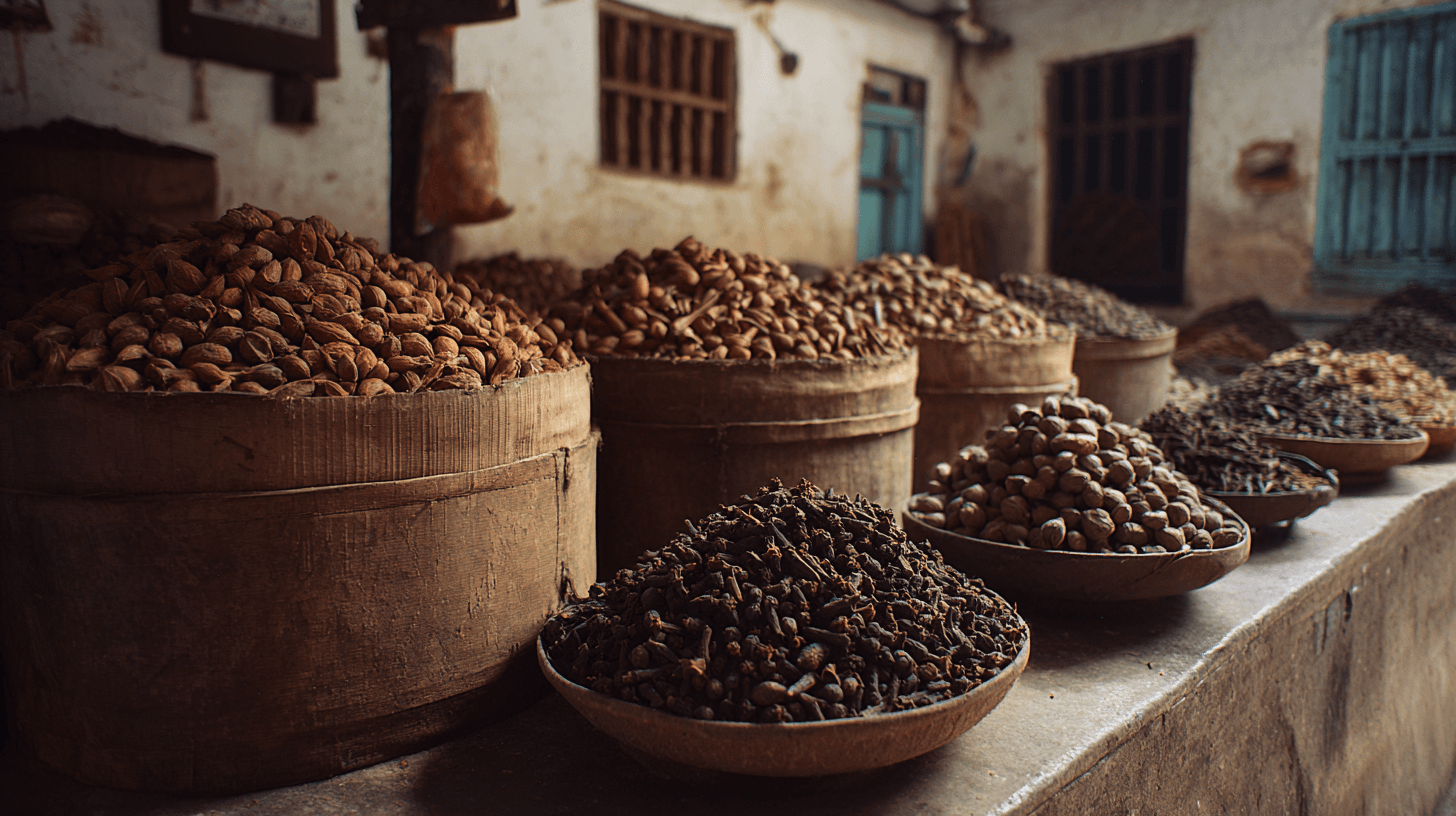
The trading floors still smell of pepper and cardamom. The grading is still done by senses developed over years. The ships still load at Kochi harbor for destinations worldwide.
The scale is smaller than the golden age. The importance is diminished — pepper no longer drives geopolitics. But the trade continues because the product is still wanted.
The spice routes that reshaped the world have become supply chains. The graders still listen to pepper hit the plate.
Sources
- Milton G. (1999). Nathaniel's Nutmeg
- Hanna W. (1978). Indonesian Banda: Colonialism and Its Aftermath
- Lape P. (2000). Political dynamics and religious change in the late pre-colonial Banda Islands
- Andaya L. (1993). The World of Maluku