Systems
The Silk Weavers
The threads that remember
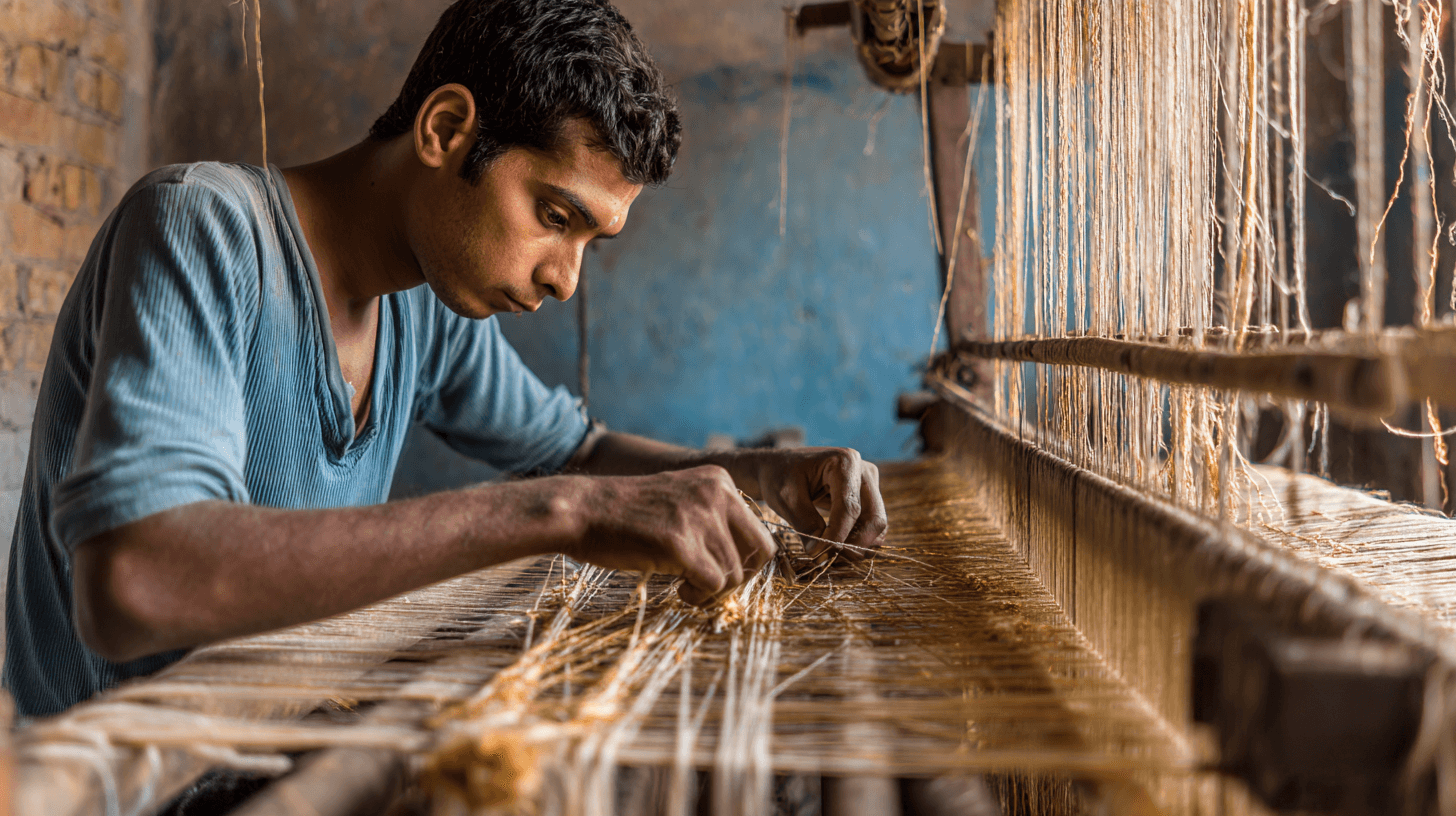
The loom is older than the weaver's grandfather. The pattern is older than the loom.
In Varanasi's Muslim weaving quarters, families produce silk brocade using techniques unchanged for centuries. A single sari requires 15,000 warp threads, weeks of preparation, months of weaving. The designs — peacocks, paisleys, geometric borders — are encoded in punch cards or, increasingly, computer files.
The Competition
Power looms can replicate a Varanasi pattern in hours. The copies sell for one-tenth the price. An untrained eye cannot tell the difference. A trained eye sees the machine regularity, the slight imperfections that mark handwork absent.
The market has bifurcated. High-end buyers pay premiums for authentic handwoven fabric. Everyone else buys power loom. The handloom weavers occupy a shrinking niche.
The Product
A Banarasi silk sari is not casual clothing. It's worn at weddings, religious ceremonies, formal occasions. The fabric signals wealth, tradition, proper observance of ritual.
The most elaborate pieces — zari work with real gold and silver thread — cost thousands of dollars and take months to complete. These are investments, passed down through generations, worn and reworn.
The Encoding
The patterns mean things. Specific border designs indicate caste. Certain motifs are appropriate for weddings, others for daily wear, others for mourning. The vocabulary is regional — a Tamil woman and a Bengali woman read different meanings into the same elements.
This encoding is fading. Younger buyers often don't know what the patterns signify. They choose based on aesthetic preference, not semiotic content. The vocabulary is becoming decorative.
The Labor
Weaving is physically demanding. Weavers develop back problems, eye strain, respiratory issues from silk dust. The work pays poorly relative to the skill required and the time invested.
Young people leave for other work. The average age of handloom weavers rises each year. The census data is stark: the weaving workforce is shrinking.
The Preservation Efforts
Government programs subsidize handloom production. Geographic indication protections prevent power loom products from using the Banarasi name. NGOs market directly to consumers willing to pay premiums.
These interventions help. They don't solve the underlying economics: handwork is slow, machines are fast, price competition is brutal.
The Question
Is handloom silk worth preserving? The product is beautiful. The craft is demanding. The economics are punishing.
The market will decide. Either enough buyers value the difference to sustain the craft, or they don't. No amount of heritage designation changes the math.
The looms are still running. The weavers are still working. The saris still take months. How long this remains true depends on what people are willing to pay for things that take time.
Sources
- Green G. (2003). Traditional Textiles of Cambodia
- Groslier B. (2006). Angkor and Cambodia in the Sixteenth Century
- Kikuo M. (2002). Cambodian Traditional Textile Revival
- Chandler D. (1999). Brother Number One: A Political Biography of Pol Pot