Systems
The Poison Tasters
The fish that kills and heals
Fugu is lethal if prepared incorrectly. The chefs who serve it train for years and are licensed by the state. A few people still die each year. The fish remains a delicacy.
The pufferfish contains tetrodotoxin, a poison 1,200 times more lethal than cyanide. There is no antidote. A lethal dose fits on the head of a pin. The toxin concentrates in the liver, ovaries, and skin — parts that must be removed completely or the diner dies.
The Japanese have been eating fugu for at least 2,300 years. Archaeological sites contain fugu bones. Historical records document both the eating and the dying. The Tokugawa shoguns banned the fish entirely; the ban was ignored. The danger is part of the appeal.
Today, fugu is regulated but not prohibited. The chefs who prepare it must pass rigorous examinations. The restaurants that serve it must be licensed. The system works — mostly. A handful of people die each year, usually from fish prepared at home by amateurs. The professionals almost never kill anyone.
Almost.
The Training
Becoming a licensed fugu chef takes years. The apprentice must train for at least three years under a master, learning not just technique but judgment — how to assess a fish, how to identify the dangerous parts, how to cut with precision that leaves no margin for error.
The licensing examination is notoriously difficult. The candidate must identify multiple species of pufferfish, some toxic, some safe. He must butcher a fish correctly, removing all dangerous organs without puncturing them. He must prepare and plate the fish to professional standards. He must then eat what he has prepared.
The pass rate is around 35 percent. Failed candidates can retake the exam, but the message is clear: this is not a skill for casual learners. The license is earned, not given.
The licensed chef carries responsibility that other cooks do not. A mistake in a sushi restaurant might cause discomfort. A mistake with fugu causes death. The chef knows this. The diner knows this. The knowledge is part of the experience.
The Fish
Not all pufferfish are equally dangerous. Some species are more toxic than others. The toxicity varies by season, by the fish's diet, by the individual. A chef must know which species are safe to serve and which parts of each species are safe to eat.
The most prized fugu is the torafugu, the tiger pufferfish. Its flesh is firm, its flavor delicate, its toxicity high enough to require expert handling. A single torafugu, properly prepared, can cost hundreds of dollars. The price reflects not just the fish but the skill and risk involved in serving it.
The flesh itself is not toxic — or rather, not very toxic. The danger lies in contamination from the organs. A single drop of fluid from the liver can render a plate of sashimi lethal. The knife must be clean. The cuts must be precise. The separation must be absolute.
Some diners seek the tingle. Trace amounts of toxin in the flesh can cause a mild numbness on the lips and tongue — proof that the fish is real, that the danger is present, that the chef has cut close to the edge. This sensation is prized by connoisseurs. It is also, technically, a symptom of poisoning.
The Deaths
People still die from fugu. The numbers are small — typically five to ten per year in Japan — but they are not zero. The deaths follow patterns.
Most victims are amateurs who prepare fish themselves. A fisherman catches a pufferfish and decides to try it. A hobbyist buys a whole fish and attempts home preparation. These people do not have the training to identify the dangerous parts or the skill to remove them completely. They die from ignorance.
Some victims request the dangerous parts. The liver of the fugu is said to be delicious — rich, fatty, intense. It is also where the toxin concentrates most heavily. Serving fugu liver is illegal in Japan. Some diners ask anyway. Some chefs comply. Some diners die.
A few deaths result from professional error. A licensed chef makes a mistake. A knife slips. A organ is punctured. The diner trusts the system and the system fails. These deaths are rare but not unknown. They remind everyone involved that the danger is real.
The Experience
Eating fugu is not just eating. It is an experience constructed around risk — risk that is managed, controlled, but never eliminated. The diner knows that death is possible. The chef knows that he holds the diner's life in his hands. The transaction is charged with meaning that ordinary meals lack.
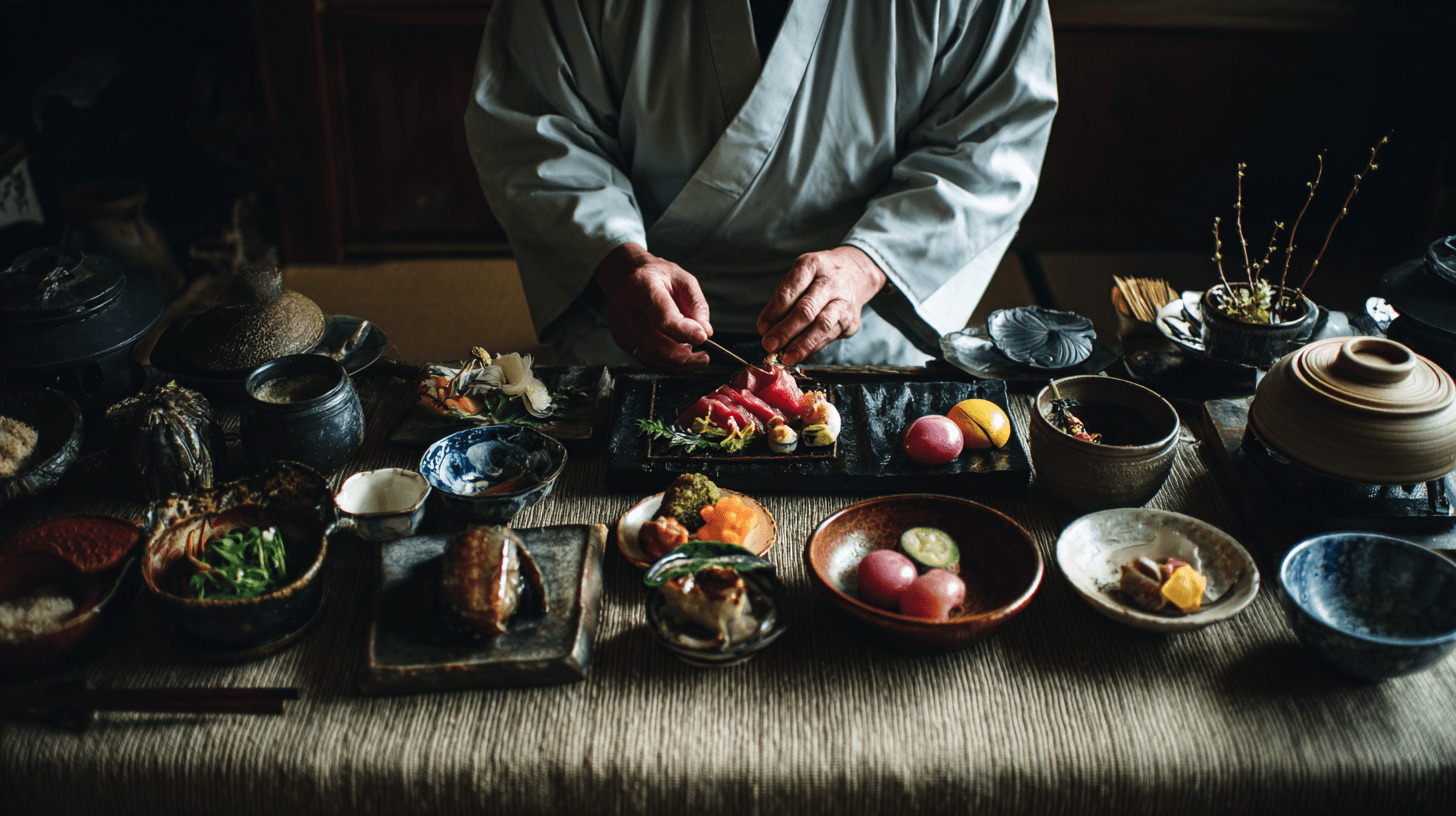
The fish arrives beautifully presented. Sashimi sliced thin enough to show the pattern of the plate beneath. Hot pot with vegetables and tofu. Fried, grilled, in soup. Each preparation showcases the subtle flavor and firm texture that make fugu prized.
The flavor is delicate, almost bland. Critics say that fugu tastes like nothing special — that the appeal is entirely the danger. Enthusiasts disagree, praising subtleties that less dramatic fish cannot offer. The truth is probably somewhere between: the taste is good, but the context makes it extraordinary.
The context is death. Not death present but death possible, death held at bay by skill and tradition and the licensing system that ensures most diners survive. The meal is a negotiation with mortality, concluded successfully when the diner walks away alive.
What Remains
The fugu restaurants remain, concentrated in Shimonoseki and other coastal cities but found throughout Japan. The licensed chefs remain, guardians of a skill that cannot be faked or shortcut. The diners remain, seeking an experience that combines cuisine with calculated risk.
The tradition continues because it works — not perfectly, not without casualties, but well enough that the benefits outweigh the costs for those who participate. The deaths are acceptable, apparently, to a culture that values the experience enough to tolerate them.
Whether this would survive in other legal systems is doubtful. The liability exposure alone would end fugu service in most Western countries. Japan permits it because Japan has always permitted it, because the tradition predates the regulations, because stopping it would mean abandoning something that has continued for 2,300 years.
The fish is still deadly. The chefs are still careful. The diners still eat, still feel the tingle on their lips, still walk away alive — almost all of them, almost all of the time.
The poison remains. The tasting continues. The negotiation with death goes on, one meal at a time.
Sources
- Suehiro M. (2015). The History of Fugu Cuisine
- Noguchi T. et al. (2006). Puffer fish poisoning
- Ministry of Health Japan (2022). Fugu Safety Regulations
- Ishizaki S. et al. (2006). Tetrodotoxin distribution in tissues of the puffer fish