Systems
The Poison Gardens
The pharmacy of death
Behind locked gates in northern England, a garden grows only plants that can kill. The collection preserves dangerous knowledge that medicine still needs.
The Poison Garden at Alnwick Castle contains roughly 100 species of toxic plants. Hemlock, wolfsbane, deadly nightshade, castor bean — the collection reads like a medieval murder manual. The plants are caged, labeled, and explained by guides who warn visitors not to touch, smell, or taste anything they see.
The garden was created in 2005 by the Duchess of Northumberland, who wanted something more interesting than the usual herbs and roses. She succeeded. The Poison Garden draws over 600,000 visitors per year, making it one of the most popular attractions in northern England.
But the garden is more than spectacle. It preserves plants that were once common knowledge, that were used for medicine and murder and magic, that modern society has largely forgotten. The knowledge is dangerous. It is also valuable.
The Plants
Every plant in the garden can kill, though some require more effort than others. The hemlock that killed Socrates grows here. The belladonna that poisoned Roman emperors. The strychnine tree whose seeds have been used for assassination for centuries. The collection is comprehensive and lethal.
The toxins work in different ways. Some attack the nervous system, causing paralysis and respiratory failure. Some stop the heart. Some cause liver or kidney failure over days. Some are painful; some are peaceful. The variety is remarkable — nature has invented countless ways to kill.
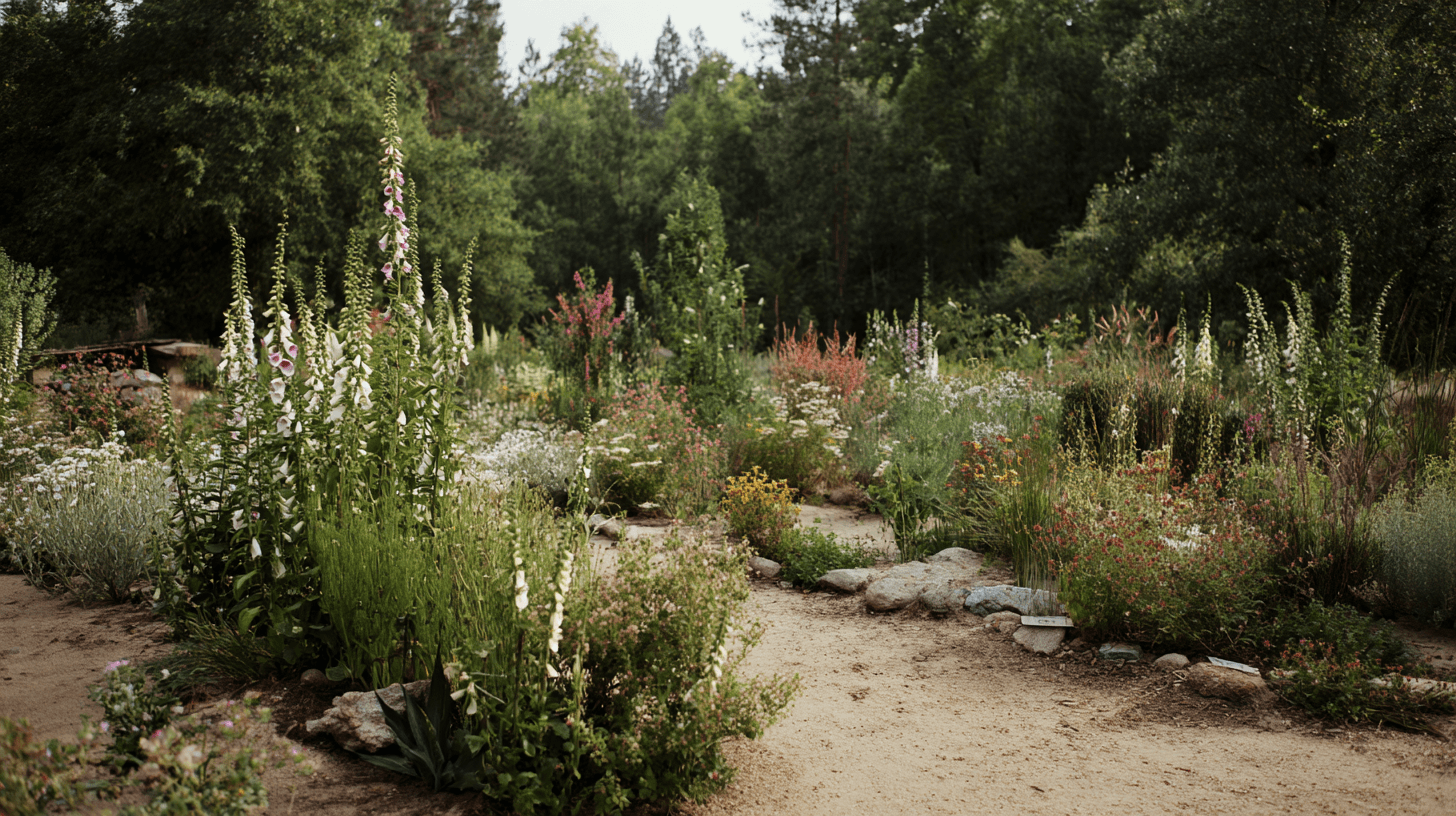
Some plants are surprisingly familiar. The foxglove, common in English gardens, contains digitalis — a heart medication at low doses, a poison at high ones. The rhubarb, whose stalks make excellent pie, has leaves that can kill. The yew, planted in churchyards for centuries, is toxic in every part except the flesh of its berries.
The garden includes plants that are legal but lethal. Cannabis, coca, and opium poppies grow under special license. They are here because they are part of the story — plants that kill through addiction and overdose, that have shaped human history, that remain relevant to contemporary problems.
The Knowledge
The plants in the garden represent knowledge that humanity has accumulated over millennia. Which plants are dangerous. How dangerous they are. What symptoms they cause. How they might be treated. This knowledge was once common, held by healers and poisoners, passed through families and communities.
Much of this knowledge has been lost. Modern medicine uses purified compounds, not whole plants. The herbalists who understood traditional remedies have mostly died. The connection between the living plant and its effects has been severed. The knowledge exists in laboratories but not in gardens.
The Poison Garden preserves the plants themselves — living specimens that can be studied, extracted, tested. When a researcher needs plant material, the garden can provide it. When a toxicologist needs to understand what a patient has ingested, the garden can help identify it. The collection is a resource, not just an attraction.
The educational function is explicit. School groups visit to learn about plant biology, chemistry, and the history of medicine. The guides explain how medicines are derived from poisons, how dose determines effect, how the line between remedy and toxin is often just a matter of quantity.
The History
Poison gardens have a long history. The Medici maintained gardens of toxic plants in Renaissance Florence. Monasteries grew medicinal herbs that included dangerous species. The tradition of cultivating poisonous plants for study and use is ancient.
The knowledge was practical. Before modern medicine, plant-based remedies were the only treatments available. The same plants that could kill could also cure — in the right dose, applied correctly, by someone who knew what they were doing. The healer and the poisoner used the same toolkit.
Some of this history is dark. Poison was a favored method of assassination for centuries. The plants that grew in noble gardens were sometimes grown for murderous purposes. The Poison Garden at Alnwick acknowledges this history, explaining how plants were used for elimination as well as healing.
The history is also redemptive. Many modern medicines derive from plants that were first known for their toxicity. Digitalis came from foxglove. Morphine came from poppies. Atropine came from deadly nightshade. The plants that killed led to cures that saved millions of lives.
What Remains
The garden remains, behind its locked gates, tended by gardeners who take precautions that ordinary horticulturists do not need. The plants grow as they have always grown, producing the toxins that evolution designed them to produce, indifferent to human purposes.
The knowledge remains too, preserved in the collection itself and in the education programs that explain it. Visitors leave knowing more about toxicology than they did when they arrived. Some may be future pharmacologists, toxicologists, or researchers who will use what they learned here.
The danger remains. The plants are as lethal as they ever were. The knowledge of how to use them for harm persists alongside the knowledge of how to use them for healing. The garden does not pretend that dangerous things can be made safe. It simply asks that they be understood.
The gates stay locked. The guides stay alert. The visitors stay alive, most of them having never before seen in one place so many ways to die. They leave impressed, educated, and perhaps a little more aware that the beautiful and the deadly often grow in the same soil.
Sources
- Stewart A. (2009). Wicked Plants: The Weed That Killed Lincoln's Mother and Other Botanical Atrocities
- Van Wyk B. (2008). Poisonous Plants: A Handbook for Pharmacists, Doctors, Toxicologists and Biologists
- Alnwick Castle Poison Garden Educational Materials
- Gershon L. (2019). The History of Poison Gardens