Systems
The Night Fishers
The lights that lure the sea
The fisher watches the birds. When they dive, fish are below.
Traditional fishing knowledge accumulated over generations. Which grounds produce which species when. What currents bring what fish. How moon phases affect behavior. The patterns were learned through observation and transmitted through practice.
Industrial fishing replaced observation with sonar.
The Knowledge
A traditional fisher in the South Pacific might track dozens of species across seasonal cycles, knowing when each becomes available, where to find it, what conditions favor success.
This knowledge is site-specific, built from long experience, validated by results. It exists in fishers' heads, not databases.
The Industrialization
Industrial fishing used technology to find fish — sonar, GPS, satellite imagery. The technology worked. Fish were located and caught at unprecedented rates.
What traditional fishers knew became irrelevant. The industry didn't need to read bird behavior when sonar showed fish schools directly.
The Depletion
Industrial fishing collapsed fish stocks worldwide. The technology that made fishing efficient made it too efficient. Stocks were located and extracted faster than they could reproduce.
Ninety percent of large fish have been removed from the ocean since 1950. The efficiency created crisis.
The Interest
As industrial methods fail, traditional knowledge attracts new attention. What did fishers know about sustainable yields? How did traditional practices limit catch to what stocks could support?
The interest comes late. Many traditional fishers have stopped fishing. Their knowledge wasn't documented.
The Management
Some fisheries now integrate traditional knowledge with scientific management. Indigenous fishing rights include not just access but authority — the right to manage based on traditional understanding.
The integration is difficult. Scientific models and traditional knowledge don't always agree. Bridging the epistemologies requires respect from both sides.
The Observation
Traditional knowledge is observational. It notices what scientific surveys might miss. Subtle changes in fish behavior. Shifts in seasonal timing. Early warnings of stock decline.
The observations complement technology. They don't replace it, but they add information that instruments don't capture.
The Practice
Knowledge embedded in practice is hard to document. The fisher who knows how to read the water can't always articulate what they know. The skill is embodied, demonstrated rather than explained.
Transmission requires fishing together. The apprentice learns by watching, doing, being corrected. Documenting on paper captures some of this. Not all.
The Water
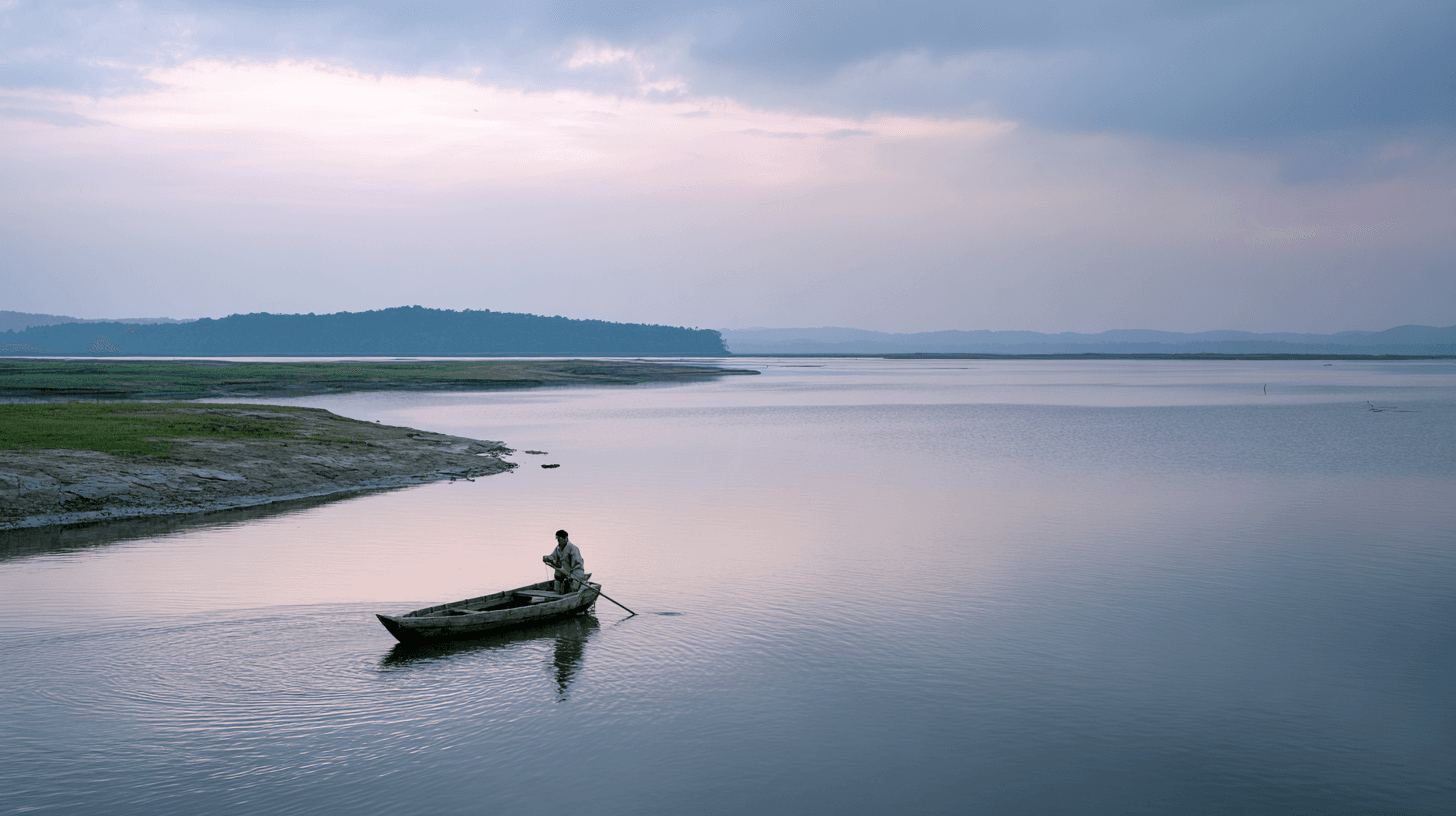
At night, the fisher goes out. The water tells stories to those who know how to read it. The surface texture indicates currents. The color suggests depth and bottom. The birds reveal what swims beneath.
The knowledge persists in those who still fish traditionally. The transmission continues where practice continues.
The water holds information. The fisher reads it. The fish are where the signs say they'll be.
Sources
- De Silva K. (2003). Fishing in Sri Lanka: From Tradition to Modernity
- UNESCO (2012). Stilt Fishing in Sri Lanka
- Amarasinghe O. (2014). Changes in Sri Lankan Fishing Communities
- McInnes R. (2016). Photographing the Stilt Fishermen of Sri Lanka