Returns
The Lion Guardians
When the warriors stopped killing
The olamayio was the ultimate test.
A young Maasai warrior, alone, with a spear, killing a lion. The act proved courage, skill, and readiness for manhood. The mane became a headdress. The killer became a man.
Between 2001 and 2006, lions in the Amboseli-Tsavo ecosystem were disappearing. Retaliatory killings — lions killed after attacking livestock — were part of it. But so was the olamayio. The hunt that made warriors was emptying the landscape.
Then someone asked a different question: what if the warriors protected the lions instead?
The Redirect
The Lion Guardians program launched in 2007. The premise was counterintuitive: hire the people most likely to kill lions to protect them instead.
Young Maasai men are recruited from communities where lion killing is common. They're trained in wildlife monitoring, GPS tracking, conflict mitigation. They're given status, income, and a different path to respect.
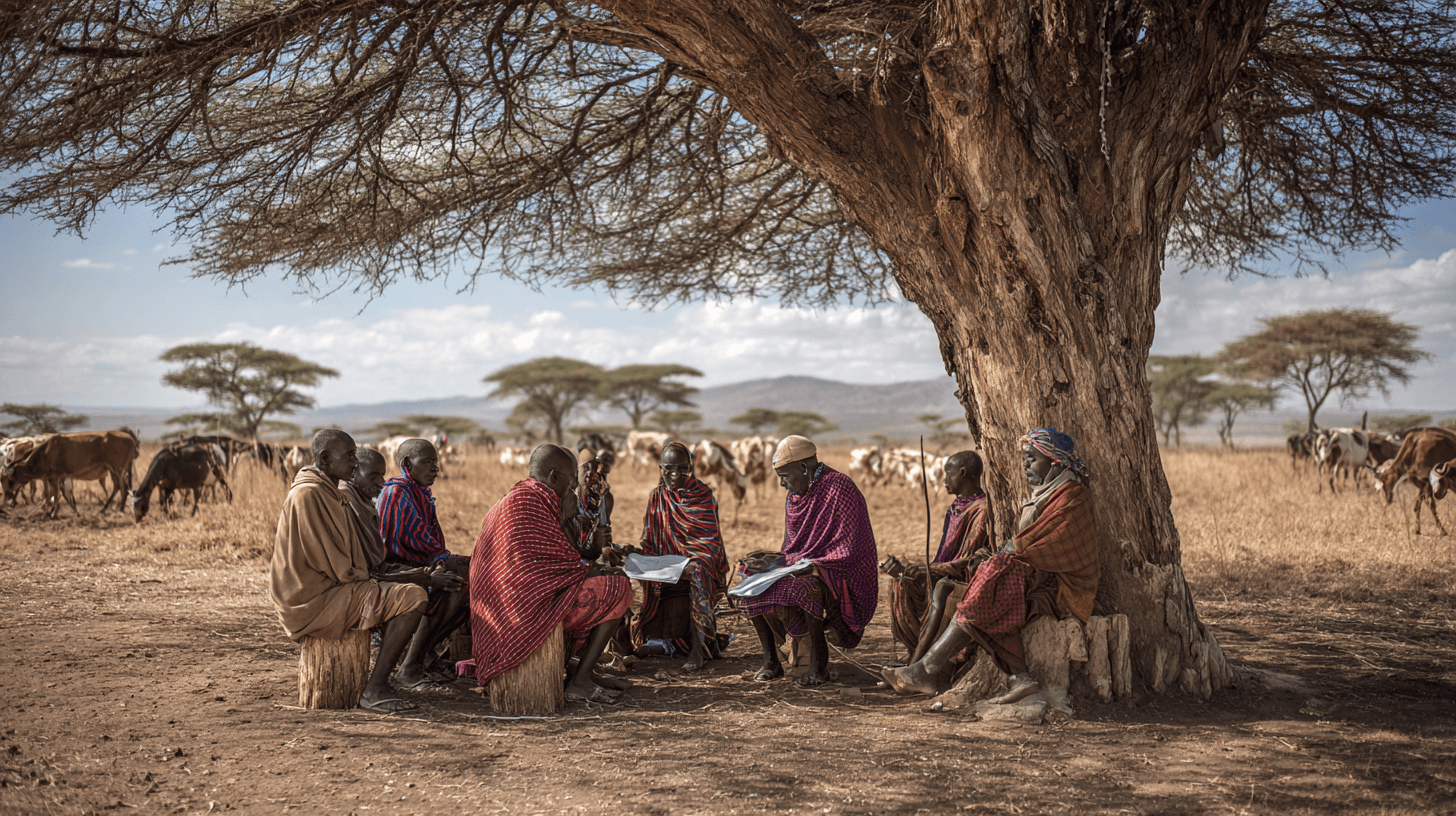
The role requires the same qualities the olamayio demanded: courage, tracking skill, knowledge of the land. But instead of killing, the guardians track. They name the lions. They warn herders when prides are nearby. They reinforce bomas — the thorn-fence corrals that protect livestock at night.
The Numbers
In the program's first year, lion killings in the core area dropped by 90%.
The lion population in Amboseli has recovered significantly since the program began. Exact numbers vary by study, but the trajectory is clear: up, not down.
The program now employs over 80 guardians across Maasai communities in Kenya and Tanzania. It has been replicated in other countries.
How It Works
The guardians don't stop lions from existing. They stop lions from becoming problems.
When a lion approaches a community, the guardians warn herders. Livestock is moved. Bomas are checked. The lion passes through without killing anything. No livestock loss means no retaliatory killing.
When a lion does kill livestock, the guardians help with rapid response — documentation for compensation programs, information for wildlife authorities. The anger has somewhere to go other than a spear.
When young men feel the pull toward an olamayio hunt, the guardians offer an alternative path to status. You can still know lions, track lions, be recognized as someone who is not afraid of lions. You don't have to kill one.
The Economics
Guardians earn salaries. The program brings resources to communities — compensation for livestock losses, support for boma construction, connections to conservation organizations and their funding.
The communities that host lions get something for it. Not just abstract benefits — actual income, actual jobs, actual respect for the people who make coexistence possible.
The Tension
This is not a permanent fix. Climate change is shrinking lion habitat. Human populations are growing. The pressures haven't disappeared.
And the model requires continuous funding. The guardians are paid. The compensation funds need replenishment. If the money stops, does the protection stop?
The Lion Guardians would say no — that the cultural shift matters more than the salaries. That young men who've spent years tracking lions, naming them, knowing their habits, won't go back to killing them just because a paycheck ends.
Maybe. The test hasn't come.
The Question
The olamayio was a real thing. Warrior culture was a real thing. You can't just lecture it away.
What the Lion Guardians did was find a different channel for the same impulses. Courage, status, mastery over dangerous animals — all still available. Just expressed differently.
The warriors who once proved themselves by killing lions now prove themselves by keeping them alive. The lions of Amboseli exist because someone figured out that culture can be redirected, not just suppressed.
Is that manipulation? Cooptation? Pragmatism?
The lions don't care. They're alive.
Sources
- Lion Guardians organization data; Amboseli-Tsavo ecosystem wildlife counts; Leela Hazzah research papers; Big Life Foundation monitoring reports