Returns
The Gorilla Permits
How $1,500 saved a species
The permit costs $1,500. It allows one hour with one gorilla family. Eight tourists per group, one visit per family per day. No exceptions.
Rwanda could sell more permits. The waiting lists are long. Tour operators would pay. But the number stays fixed: roughly 96 tourists per day across all habituated groups.
The mountain gorilla population has grown from 620 in 1989 to over 1,000 today. The price is part of why.
The Logic
High price, low volume. The revenue per visitor is enormous — Rwanda earned over $200 million from gorilla tourism in 2023. But the pressure on the animals stays low. Each family encounters humans for one hour daily instead of being paraded past tour groups all day.
The money flows in specific directions. Ten percent of tourism revenue goes directly to communities surrounding the park. This is not charity — it is strategy. A farmer whose crops are raided by buffalo, whose land sits next to the park boundary, needs a reason not to resent the forest.
The community fund has built schools, health centers, water systems. It has provided livestock, seeds, loans. The people who live with the gorillas see tangible benefit from their presence.
The Guards
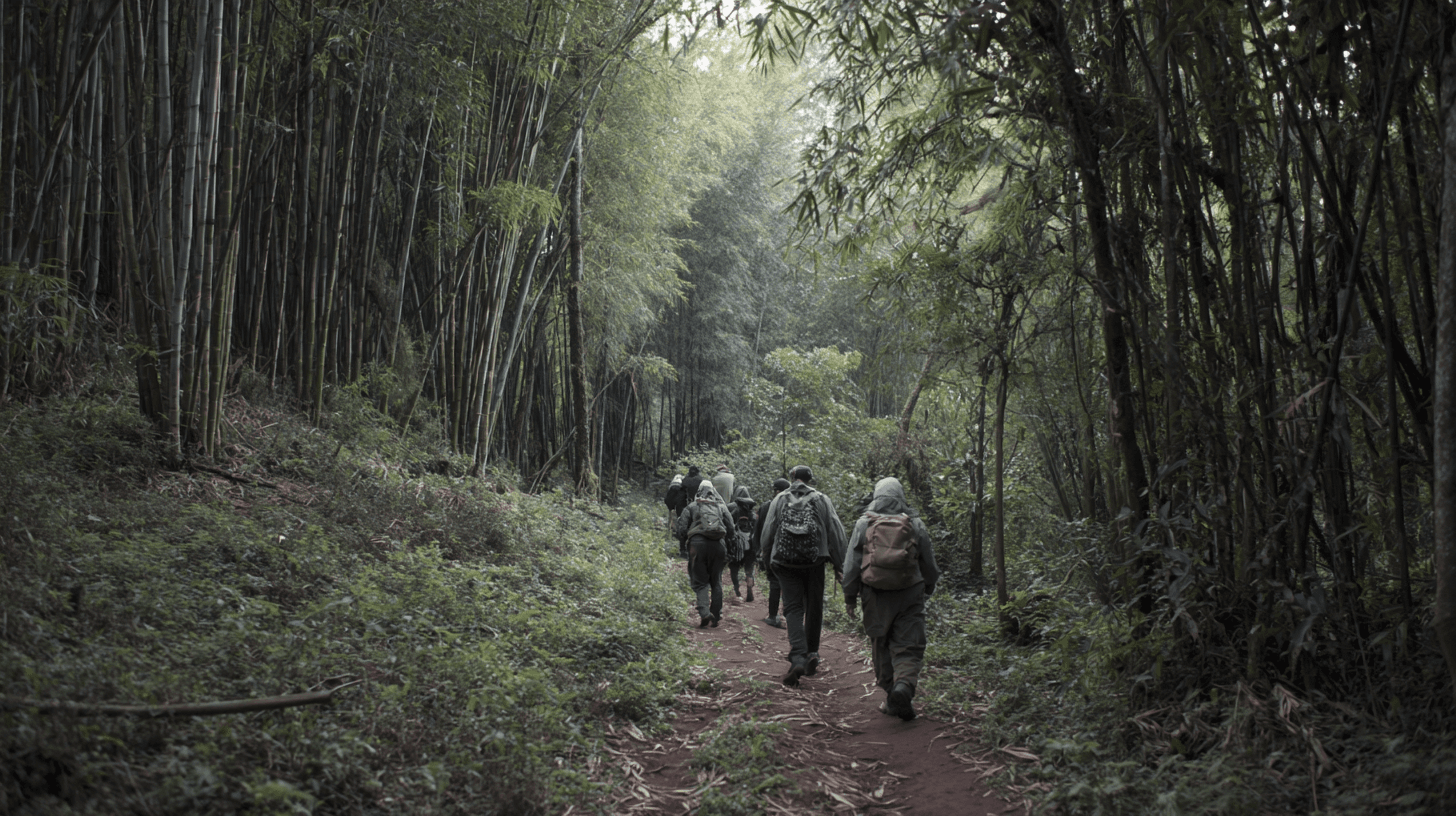
Rwanda also employs former poachers as trackers. The men who once knew how to find gorillas to kill them now know how to find them for tourists. Their knowledge of the forest — the trails, the feeding patterns, the family dynamics — is irreplaceable.
The job provides income, status, and purpose. It also creates a network of eyes in the forest. Poaching becomes difficult when the people who know the terrain are now paid to protect it.
Similar programs exist in Namibia and Kenya, where former hunters become wildlife monitors. The principle is the same: make the person who might harm the animal into the person responsible for its survival.
The Contrast
Not all gorilla tourism follows this model. In the Democratic Republic of Congo, instability has made protection difficult. Virunga National Park, home to some of the same gorilla population, has seen rangers killed, tourists kidnapped, park infrastructure destroyed.
The gorillas do not recognize borders. A family that ranges into DRC territory faces different odds than one that stays in Rwanda.
What Rwanda demonstrates is that high-value tourism can fund conservation better than high-volume tourism — but only if the structure is designed correctly. The permit price is not gouging. It is carrying capacity expressed in currency. The revenue sharing is not generosity. It is the cost of keeping the forest intact.
The mountain gorilla was once considered doomed. The permits helped change that.
Sources
- Rwanda Development Board; Dian Fossey Gorilla Fund; IUCN