Returns
The Gorilla Naming
What Rwanda gave back
Thirty years after the genocide, a country that nearly destroyed itself protects the rarest apes on earth.
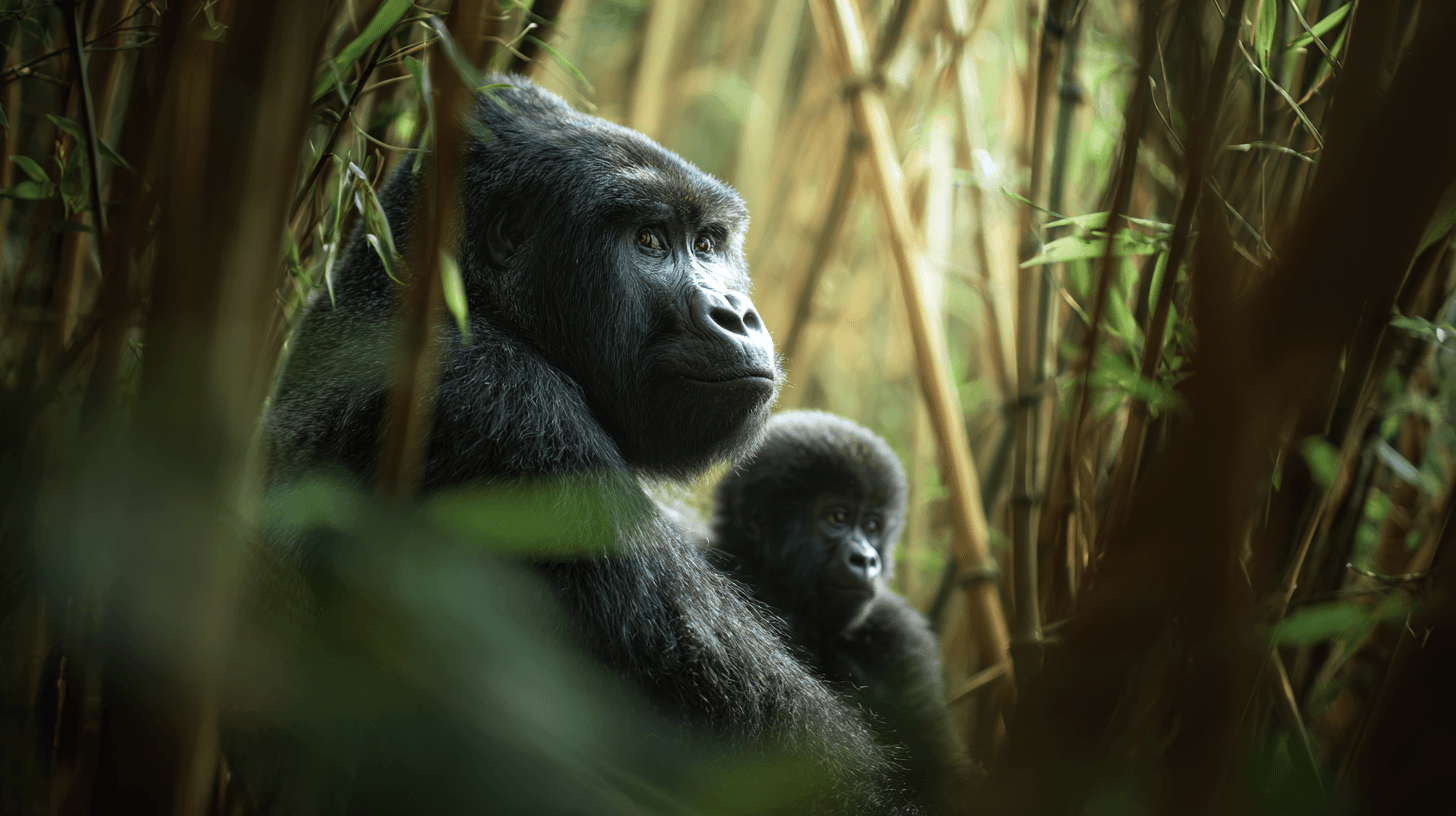
Each September, Rwanda holds a ceremony called Kwita Izina. Dignitaries gather. Dancers perform. Speeches are made. And then, one by one, the baby mountain gorillas born that year receive their names.
It sounds like a tourist attraction. It is not. Or rather, it is not only that.
Kwita Izina is a traditional Rwandan naming ceremony, once performed for human children. Applying it to gorillas was a deliberate choice — a statement that these animals are part of the nation, that their births matter, that their survival is a measure of Rwanda's own.
In 2024, the ceremony named 22 infants. Total mountain gorilla population: over 1,000, up from 620 in 1989. It is one of the few great ape populations on earth that is growing.
The Context
In 1994, Rwanda experienced one of the fastest genocides in human history. In 100 days, approximately 800,000 people were killed. The country's institutions collapsed. Its population was traumatized. Its economy was destroyed.
The mountain gorillas, living in the Virunga volcanoes along the border with Congo and Uganda, should have been an afterthought. Conservation budgets disappeared. Rangers fled or were killed. Poachers moved freely through the forests.
But something strange happened. The gorillas survived. The park held. When the violence ended, the ranger corps reassembled, and the gorillas were still there.
The Decision
In the years after 1994, Rwanda's new government made a calculated bet. The country had almost no natural resources, no manufacturing base, no obvious path to economic development. What it had was a small population of mountain gorillas — fewer than 400 at the time — living in a forest that tourists would pay extraordinary sums to visit.
The government invested heavily. It raised permit prices to $1,500 per visit — then the highest in Africa. It used the revenue to pay rangers, build infrastructure, and compensate communities living near the park. It established revenue-sharing programs so that villages adjacent to gorilla habitat received direct benefits from tourism.
The logic was simple and unsentimental. Gorillas were worth more alive than dead. A live gorilla generated thousands of dollars per day in tourism revenue. A dead gorilla generated nothing.
By 2019, tourism was Rwanda's largest foreign exchange earner. Gorilla permits generated over $20 million annually, most of which flowed back to conservation and community development. The country that had nearly collapsed was rebuilding itself, one gorilla at a time.
The Rangers
Rwanda's gorilla rangers are some of the best-trained and best-paid conservation officers in Africa. They track gorilla groups daily, maintain the trails, provide security, and serve as guides for the tourists whose fees pay their salaries.
Many are from the communities that once poached the same gorillas. The transition was not always smooth. Some rangers remember killing gorillas before they protected them. Others lost family members to gorillas that raided crops. The relationships are complicated.
But the economics are clear. A ranger's salary supports an extended family. The revenue-sharing payments build schools and clinics. The tourists bring business to nearby villages. However people feel about the gorillas themselves, they can see what the gorillas bring.
The Growth
Mountain gorillas are the only great ape population that is increasing. In 1981, there were approximately 254 individuals. By 2000, the number had climbed to 480. By 2020, it exceeded 1,000.
This happened despite war in neighboring Congo, despite continued habitat pressure, despite diseases that can jump from humans to apes. It happened because Rwanda decided the gorillas were worth protecting, and then actually protected them.
The naming ceremony is part of the strategy. Every infant named is a reminder that the population is growing. Every name is a statement of ownership and responsibility. The gorillas are not just wildlife. They are Rwandan.
What Remains
The mountain gorillas are still critically endangered. Their habitat is limited to a small chain of volcanic mountains. Climate change is pushing them higher up the slopes. Disease remains an ever-present threat — COVID-19 protocols for gorilla visits were implemented immediately, before most human gathering places had rules.
But the trajectory is upward. A species that was nearly extinct is now recovering. A country that nearly destroyed itself found something worth building again.
Each September, the babies get their names. The count continues upward. The ceremony continues.
Kwita Izina means "to give a name." It also means, in practice, to give a future.
Sources
- Gray M. et al. (2013). Genetic census reveals increased population size of mountain gorillas
- Rwanda Development Board Tourism Statistics 2023
- Robbins M. (2011). Gorillas: Living on the Edge
- Plumptre A. et al. (2021). Mountain gorilla population dynamics