Systems
The Cider Makers
The apple drink of empire
In the green mountains of northern Spain, traditional cider is still made by fermentation and poured from a height. The ritual has not changed in centuries.
Sidra natural is not like the cider most of the world knows. It is dry, tart, still rather than sparkling, and poured in a way that defines the drink. The escanciador holds the bottle high above his head and the glass low at his side, sending a thin stream of cider through the air to aerate it. The pour is called escanciar, and mastering it takes practice.
The tradition is Asturian. The green region in Spain's north has made cider for at least a thousand years, probably longer. The drink is embedded in local culture, served in cider houses where conversation and community matter as much as what is drunk. Sidra natural is not just a beverage. It is a way of being.
The Drink
Sidra natural is made simply. Apples — dozens of traditional varieties, most found nowhere else — are pressed in autumn. The juice ferments naturally over winter, without added yeast, sugar, or carbonation. The result is dry, acidic, and slightly cloudy, with an alcohol content around 5 or 6 percent.
The taste takes adjustment. Those expecting sweet or sparkling cider find sidra natural challenging. It is sour, sometimes almost vinegary, with apple flavors that are subtle rather than sweet. The pleasure is in the ritual and the company as much as the drink itself.
The pour is essential. Sidra natural is flat — the traditional fermentation produces little carbonation. The escanciar aerates the drink, creating a slight fizz that opens the flavors and softens the acidity. A proper pour sends cider into the glass from arm's length, splashing to create bubbles that fade in seconds.
The glass holds only a few ounces, called a culin. The idea is to drink immediately, while the aeration lasts, then have the glass refilled. A bottle makes four or five culins, shared among friends who take turns pouring. The ritual is communal, a way of drinking together that enforces conversation and connection.
The Cider Houses
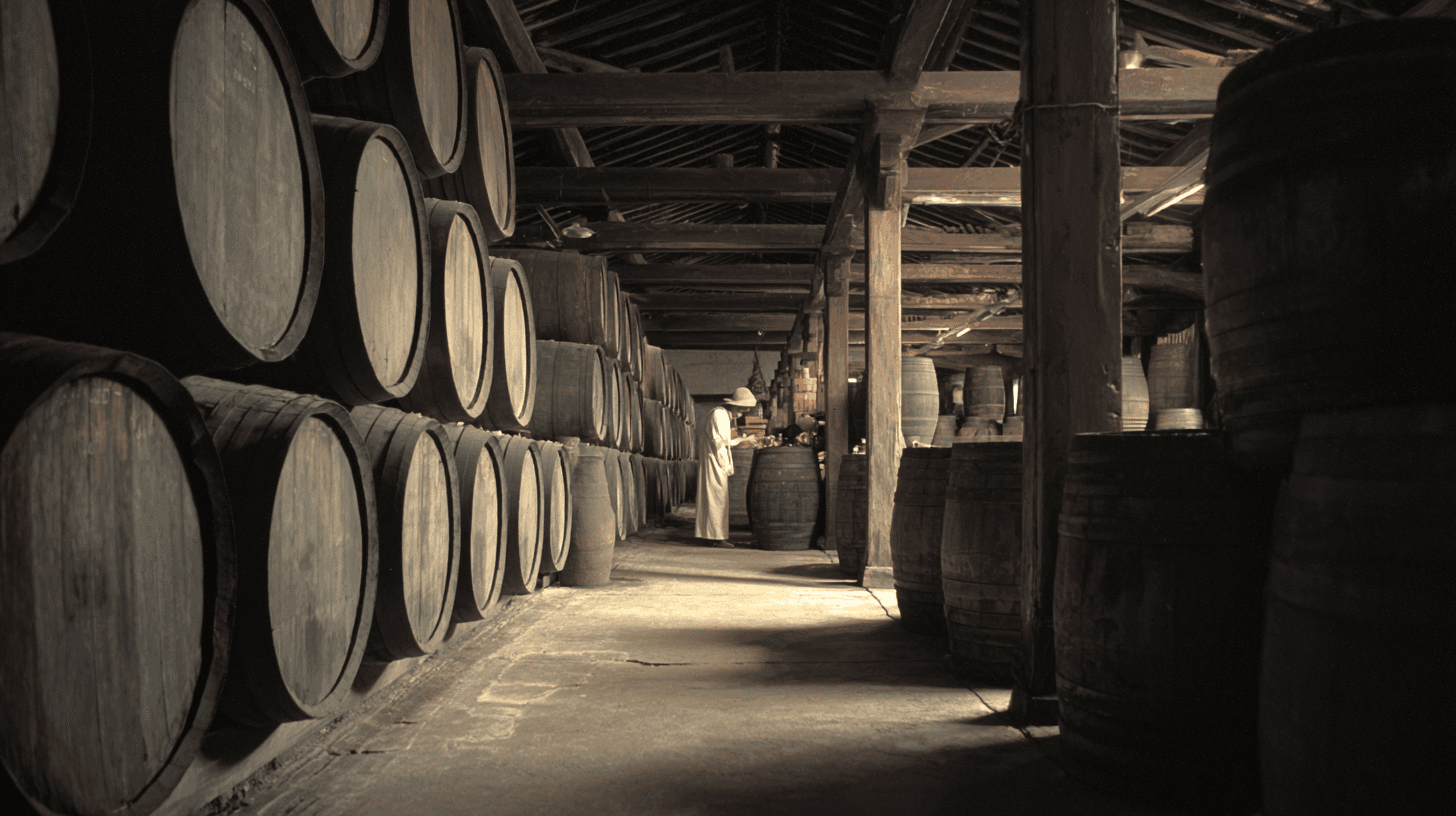
Sidrerías are the temples of sidra. These establishments — sometimes restaurants, sometimes bars, sometimes both — serve the drink in traditional fashion. The floor may be covered with sawdust to absorb spills. The barrels line the walls. The atmosphere is loud, social, unpretentious.
A meal in a sidrería follows a pattern. Simple food — salt cod omelet, chorizo, blue cheese, steak — accompanies the cider. The courses arrive steadily. The bottles are opened as needed. The company matters more than the cuisine. An evening stretches for hours.
The cider house is democratic. Workers and professionals share tables. Strangers become drinking companions. The ritual of pouring — taking turns, sharing bottles, commenting on technique — creates connections that other drinking does not. The sidrería is not just a place to drink but a social institution.
The tradition supports the economy. Asturias has hundreds of cider producers, from industrial operations to farmhouse pressings. The apple orchards that supply them cover the green hillsides. The cider houses provide markets for the producers. The system supports itself.
The Apples
Asturian cider depends on local apple varieties that exist almost nowhere else. Names like Raxao, Xuanina, Durona de Tresali designate types adapted to the local climate, selected over centuries for the qualities they bring to cider. There are more than 200 recorded varieties; a single cider may blend dozens.
The varieties differ in flavor, acidity, tannin, and sugar. Cider makers blend them as winemakers blend grapes, seeking balance and complexity. The recipes are often secret, developed over generations, adjusted each year based on how the harvest tastes. The cider maker's skill lies in knowing what proportions will produce excellence.
The orchards are traditional landscapes. The trees are large and widely spaced, unlike the dense plantings of commercial apple production. Sheep graze beneath them, fertilizing the soil and keeping the grass short. The system is low-input, sustainable, beautiful — and threatened by the economics of modern agriculture.
Young farmers are fewer each year. The work is hard and the returns modest. Some orchards are abandoned, their trees unpruned and unharvested. The varieties that exist nowhere else risk extinction. Efforts to catalog and preserve them race against time and economics.
The Future
Sidra natural is protected but not secure. European regulations recognize its geographical indication. Asturian cultural authorities promote the tradition. Tourism brings visitors who want to experience the authentic ritual. The attention helps.
But the challenges are real. Young Asturians increasingly prefer beer or wine. The pour is hard to master and embarrassing to fail. The taste is not immediately appealing. The whole experience requires investment that modern consumers often will not make.
Some producers adapt. Sparkling ciders appeal to broader tastes. Sweeter styles find export markets. The tradition bends without breaking. Whether bending preserves or destroys the tradition is debated in every sidrería.
What Remains
The cider houses remain, scattered through Oviedo and Gijón and the smaller towns of Asturias. The ritual continues — the high pour, the quick drink, the shared bottle. The tradition that has survived since before anyone can remember survives still.
The orchards remain, green and rainy, growing apples that grow nowhere else. The varieties that ancestors selected still produce fruit. The knowledge of how to blend them into cider worth drinking passes from maker to maker, generation to generation.
The community remains. In the sidrerías, people still gather, still talk, still share the ritual that makes drinking together something more than consumption. The cider is the occasion, not the purpose. The purpose is being together, doing something that the community has done for centuries.
The pour still falls through the air. The cider still splashes into the glass. The bubbles still fade in seconds, demanding immediate drinking. The bottle empties, another opens, the evening continues.
Sidra natural. The drink of Asturias. Not quite like anything else. Not going anywhere, not yet, not as long as someone is willing to hold the bottle high and let the cider fall.
Sources
- Lea A. and Drilleau J. (2003). Cidermaking
- García D. (2015). La Sidra Natural Asturiana
- Consejo Regulador de la Sidra de Asturias
- Williams R. (2005). Cider: The forgotten miracle